Choosing the Right Freight Transportation Methods for Freight Methods Optimization
- Anmoldeep DEv
- Jan 9
- 5 min read

Alright, listen up. You want your goods to move fast, safe, and without burning a hole in your wallet. Choosing the right freight transportation method isn’t just a box to tick—it’s the secret sauce to crushing your logistics game. Whether you’re shipping across the street or across North America, the freight methods you pick can make or break your supply chain. So buckle up, because we’re diving into the nitty-gritty of freight methods optimization with the kind of swagger that gets results.
Freight Methods Optimization: The Fast Lane to Smarter Shipping
First things first: freight methods optimization isn’t rocket science, but it does require some street smarts. You’re juggling cost, speed, reliability, and the nature of your cargo. Pick the wrong method, and you’re stuck with delays, damaged goods, or sky-high bills. Nail it, and you’re the logistics boss everyone envies.
Here’s the deal: your freight options break down into four main categories—road, rail, air, and sea. Each has its own vibe, perks, and quirks. Let’s break them down so you can pick the right ride for your cargo.
Road Freight: The Workhorse of North America
Road freight is the go-to for most businesses. Trucks are everywhere, flexible, and can deliver door-to-door. Need to ship pallets of electronics from Toronto to Vancouver? Road freight’s your guy. It’s perfect for short to medium distances and offers quick turnaround times.
Pros:
Flexible routes and schedules
Door-to-door delivery
Ideal for regional shipments
Easier to track and manage
Cons:
Subject to traffic and weather delays
Higher carbon footprint compared to rail or sea
Limited capacity compared to trains or ships
If you’re shipping perishable goods or need last-mile delivery, road freight is your best bet. Just remember, it’s not the cheapest for long hauls, so don’t expect miracles on cross-continental shipments.

Rail Freight: The Heavy Lifter for Bulk Goods
Rail freight is the freight equivalent of a freight train—literally. It’s the heavyweight champ for moving large volumes of goods over long distances. Think raw materials, heavy machinery, or bulk commodities like grain and coal.
Pros:
Cost-effective for heavy and bulky shipments
Environmentally friendly compared to road freight
Reliable schedules on major routes
High capacity
Cons:
Limited to rail network routes
Requires additional transport for last-mile delivery
Slower than air freight
If your business is moving tons of product across provinces, rail freight is a no-brainer. Just plan for the extra leg of the journey once your goods hit the station.
What is a supply chain solution?
Before we jet off to air and sea freight, let’s clear the air on what a supply chain solution really means. It’s not just fancy jargon tossed around in boardrooms. A supply chain solution is a tailored strategy or technology that streamlines the entire journey of your goods—from raw materials to the customer’s doorstep. It’s about syncing transportation, warehousing, inventory, and information flow so everything clicks like a well-oiled machine.
For example, integrating real-time tracking with your freight method choice can save you from nasty surprises. Or using predictive analytics to pick the best shipping windows can shave days off your delivery times. When you combine the right freight method with smart supply chain solutions, you’re not just moving goods—you’re moving your business forward.
Air Freight: The Speed Demon of Shipping
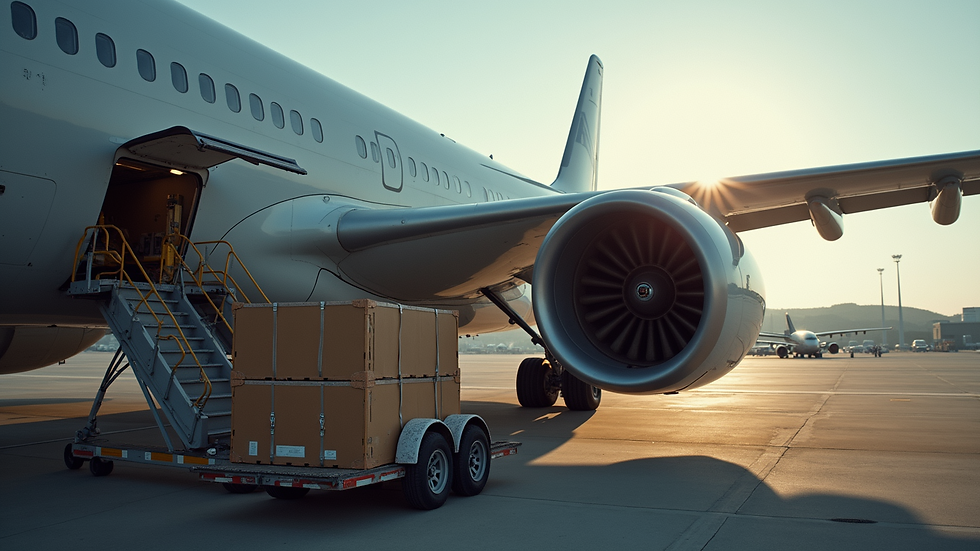
When time is money and you need your goods yesterday, air freight is your go-to. It’s the fastest way to ship across North America and beyond. Electronics, fashion, pharmaceuticals—anything that’s high-value and time-sensitive loves to fly.
Pros:
Lightning-fast delivery
High security and low risk of damage
Ideal for perishable and urgent goods
Cons:
The priciest option by far
Limited cargo size and weight
Weather can ground flights unexpectedly
Air freight is like the express lane on the highway. Use it when speed trumps cost, but don’t expect to ship your entire warehouse this way unless you’re swimming in cash.
Sea Freight: The Budget-Friendly Giant
If you’re not in a rush and your cargo is bulky or heavy, sea freight is your best friend. It’s the slowpoke of the group but also the most cost-effective for international and coastal shipments. Containers stacked like Lego bricks on massive ships—that’s sea freight in action.
Pros:
Cheapest for large volumes
Can handle almost any type of cargo
Environmentally efficient per ton-mile
Cons:
Slow transit times
Vulnerable to port delays and customs holdups
Requires multimodal transport for inland delivery
Sea freight is perfect for businesses that plan ahead and want to save on shipping costs. Just don’t expect your customers to wait around forever.
How to Pick the Right Freight Method for Your Business
Here’s where the rubber meets the road. Choosing the right freight method isn’t about picking the flashiest option—it’s about matching your shipment’s needs with the method’s strengths. Here’s a quick checklist to help you decide:
Know your cargo: Fragile? Perishable? Heavy? Bulky? Your cargo’s nature dictates the method.
Consider speed: How fast do you need it there? Urgent? Air freight. Flexible? Sea or rail.
Budget matters: Don’t blow your budget on speed if you don’t need it.
Distance and route: Some methods don’t cover all routes efficiently.
Environmental impact: If green logistics is your thing, rail and sea are better bets.
Last-mile delivery: Remember, some methods need a final leg by truck.
Mix and match if you have to. Multimodal shipping—using two or more freight methods—can be the sweet spot for balancing cost and speed.
The Role of Technology in Freight Methods Optimization
You’re not flying blind here. Technology is your co-pilot in freight methods optimization. From GPS tracking to AI-powered route planning, tech tools help you squeeze every drop of efficiency out of your freight choices.
Real-time tracking: Know exactly where your shipment is, no guessing.
Route optimization software: Avoid traffic jams and delays with smart routing.
Freight management systems: Automate booking, documentation, and billing.
Data analytics: Spot trends and tweak your strategy for better results.
Investing in these tools isn’t optional anymore—it’s how you stay competitive and keep your freight moving like clockwork.
Your Next Move: Master Freight Methods Optimization
You’ve got the lowdown on freight methods and how to optimize them. Now it’s time to put that knowledge to work. Whether you’re shipping a few pallets or managing a complex supply chain, the right freight method can save you time, money, and headaches.
Remember, the key to winning at logistics is flexibility and smart planning. Don’t be afraid to mix road, rail, air, and sea to get the best combo for your business. And if you want to level up your game, check out some killer supply chain solutions that can automate and optimize your entire freight operation.
Get out there and make your freight methods work for you. Because in the world of logistics, speed and smarts win the race every time.